
LATEST ARTICLES

The Story of GameStop and Robinhood
Berkeley Haas professor Terrance Odean talks about his research of the Robinhood app and GameStop and the recent controversial herding event.

Jupiter-like Exoplanets Found in Sweet Spot in Most Planetary Systems
The Gemini Planet Imager searched hundreds of nearby stars for exoplanets using the Gemini South telescope located in the Chilean Andes
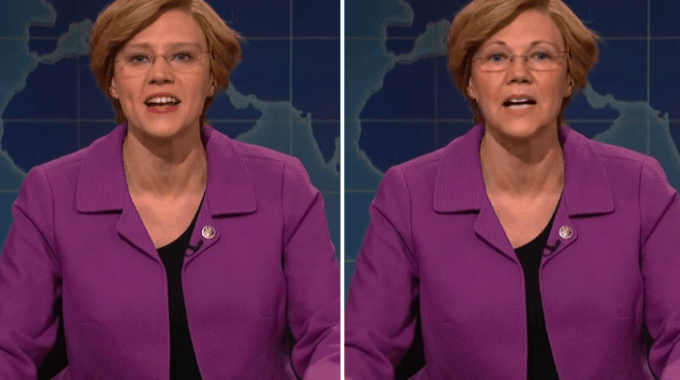
Facial Quirks Might be the ‘Unique’ Answer to Deepfakes
Researchers at UC Berkeley and USC are racing to create new techniques to detect deepfakes of political leaders.

How Quantum Computers are Redefining Computational Possibilities
This article on the Berkeley News website suggests if quantum computers will ever become superior to classic computers despite their promising development.
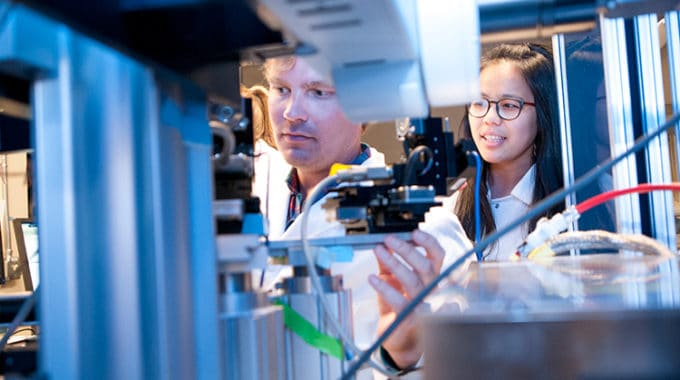
Government Funding Increasingly Fuels Innovation
A new UC Berkeley-led study finds that nearly a third of U.S. patents arise from federally-funded scientific research

Startups as Business Ecosystem Orchestrators
Startups can be active participants as successful orchestrators of business ecosystems even thought usually thought not to be.

Does Overconfidence Really Improve Performance?
Berkeley Haas Prof. Don Moore questions whether overconfidence really does improve performance in a new article.

What Factors Influence Stock Returns the Most?
This Chicago Booth Review article discusses what factors that are responsible for impacting stock returns the most.
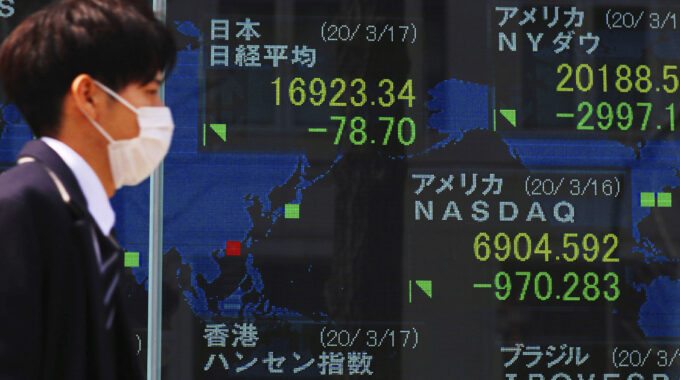
Which Companies’ Stocks are “Immune” to the Pandemic?
A new working paper co-authored by Berkeley Haas Prof. Ross Levine identifies why some companies are less affected by the pandemic.

The 3 Cs for Startups and Incumbents
The 3 Cs startups and incumbents have to master to ensure the overall acquisition process proves to be a successful one.

How Powerful Storytelling Can Be Used as a Marketing Strategy
This Berkeley ExecEd article emphasizes how powerful storytelling can be used as a marketing strategy with the right approach.
UC Berkeley Auctions NFTs of Nobel Prize-winning Inventions
Research shows that consumer behavior might be changed for good because of the pandemic. Here is how companies can adapt.

